News Story
Patrick Hough is a London-based Irish artist and filmmaker. He started out in photography, before moving into film and then narrative cinema. With his short film Landscapes of Shame at this year’s BFI London Film Festival (LFF), we caught up with Patrick to talk festivals, jellyfish and the extinction of the Irish wolf…
Hello Patrick! Where are you now?
I’m currently on a three-month residency in Tokyo, developing an experimental documentary about jellyfish, so very sadly I’m missing all the excitement of the festival. I’ve been trying to get into the London Film Festival forever, it’s one of my favourite film festivals, and the year I get in, I'm on the other side of the world.
What role do film festivals play in showing your work?
The film festival circuit is different to a one-off gallery show – with a good festival run, it’s easier for your film to go much wider. The LFF is the film’s world premiere so now I'm just waiting for responses from the other festivals I’ve entered…
So do you see the LFF as a springboard for your film?
For sure. They've got such a strong artist moving image programme with Experimenta. It's exciting because you get seen not just by other festival programmers, but art curators as well – it's a good crossroads for different types of moving image work.
My film’s also been shortlisted for the short film competition, alongside more mainstream narratives. It's good to have everything on an even platform, as sometimes the experimental side is not taken as seriously in film festivals.
And what's your connection with Film London Artists’ Moving Image Network (FLAMIN)?
One of my films, The Two Faces of Tomorrow, got a FLAMIN Productions award – it was a substantial commission to get quite early in my career, and it was really amazing to work with the team.
Can you tell us about your festival film?
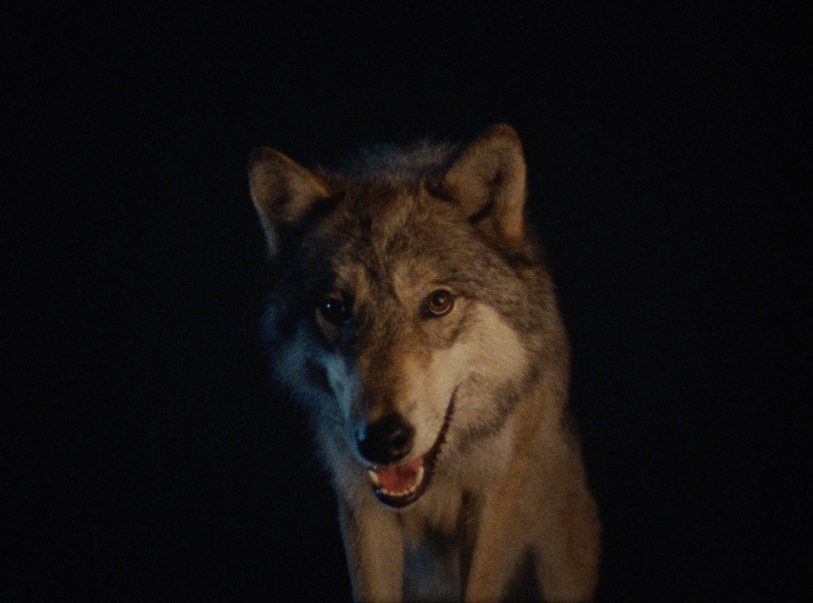
Landscapes of Shame is an experimental film about the extinction of the Irish grey wolf and how that history connects to colonialism, shame and queer experience in Ireland. It's also a very autobiographical film, involving a return to the landscape where I grew up. My aunt passed away around the time I was making it, and her death became a catalyst for reflecting on my relationship with family, language and place. The film moves between these personal histories and the wider history of the wolf's extinction, exploring how certain bodies, identities and ways of living come to be regarded as undesirable or out of place.
Any finally, any advice for aspiring artist filmmakers?
Just go out and do it! I don't have formal film training, so for me it was just about grabbing a camera and making things. I think filmmaking feels much more accessible now, with films being shot on iPhones or old-school digital cameras again. There's a real sense of possibility where you don't necessarily need the big formal infrastructure of filmmaking, and that's certainly been true for me. With this film I've returned to doing almost everything myself. I still work with a producer, but I wrote it, shot it, edited it and performed the voiceover myself. You can do a lot with very little…
Find out more about Patrick’s work at patrickhough.com